


Have You Checked Your Tank Lately?
Prevent unexpected downtime with RelaDyne Reliability Services. Our fuel tank cleaning service removes sludge, sediment, and water buildup to restore your tank to like-new condition and optimal performance.
Clean fuel systems are critical — the quality of the fluids running through your equipment can mean the difference between efficient, profitable operation and costly damage or downtime.
The Importance of Fuel Cleanliness
As emission standards continue to tighten, diesel engine manufacturers are designing more advanced and efficient systems to meet new regulations. Tier 3 and Tier 4 engines operate at extremely high fuel injection pressures — up to 35,000 PSI — to maximize combustion efficiency. These precise systems rely on exceptionally clean fuel to prevent injector wear, buildup, and performance loss.
Fuel quality starts at the storage tank. When contaminants accumulate, they compromise fuel integrity and lead to costly equipment damage and repairs. Proactive tank maintenance is essential to keeping your engines running efficiently and in compliance with today’s strict emission standards.
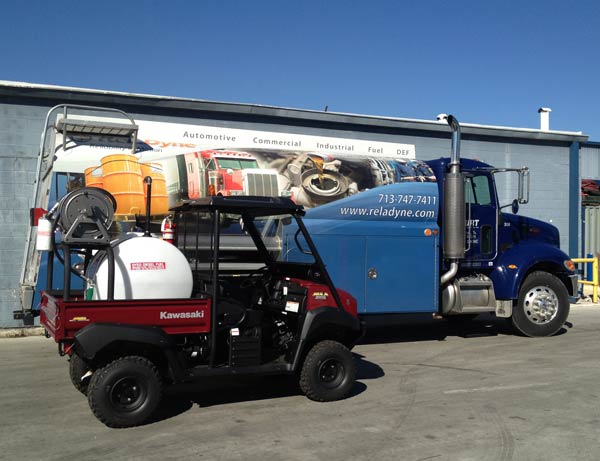
RelaDyne’s Fuel Tank Cleaning Service removes the water, sediment, and microbial growth that naturally accumulate at the bottom of fuel tanks over time. Paired with our performance fuel additives and advanced lab testing services, we provide everything you need to effectively manage today’s demanding fuel systems and maintain peak performance.
Water Removal
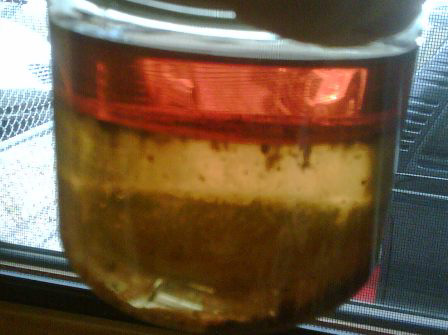
Water is the most destructive contaminant in diesel fuel. Water fuels microbacterial growth and corrosion which lead to the creation of metal contaminants in the fuel. Water also reduces lubricity and causes fuel line icing during winter months.
Sediment Removal
Sediment accumulates on tank bottoms and is dispersed into fuel when tanks are filled. Sediment causes abrasive wear in dispensing equipment and fuel injection components.
Microbial Remediation
When corrosive microbacterial growth is present, RelaDyne uses a powerful vacuum cleaning process which loosens and removes growth. We also provide biocides and testing in our own lab as part of our microbacterial remediation system.
Frequently Asked Questions
How do I know if my fuel tank needs cleaning?
• Tank showing signs of corrosion
• Plugged filters
• Sediment in my fuel tank
• Excess water in my fuel
• Presence of fungus & bacteria in the fuel
What causes sediment in my fuel?
Ethanol and Biodiesel are both solvents and can loosen debris on the tank walls and from internal equipment, causing sediment. This causes filter plugging and creates water traps.
Why are my tanks and equipment showing signs of corrosion?
Water, air, and contaminants in a fuel product can cause
serious corrosion of steel pipes, tanks, probes and other
equipment.
- ULSD and Biodiesel causing increase in free water
(holds less water) - Water is a breeding ground for microbes
- Less sulfur causes increased microbes
- Acids from these living organisms causes corrosion
Why should I remove excess water?
Today’s fuels will cause severe problems if they contain
water.
- Water causes microbial problems.
- Microbes live in the water and feed on the fuel.
- No water = no microbes (bacteria/fungus)
- The presence of water is the decisive factor in the growth of bacterial/fungal organisms.
- In the absence of water, the microbes would not be present or could not be active.
- Bacteria breakdowns all grades of fuel.
- It causes corrosion of metals due to acids.
- Plugs fuel-systems. Filters, lines, etc.
How can RelaDyne Tank Cleaning service help?
RelaDyne has mobile tank cleaning units that can handle
the industries most severe cleaning challenges. The final
stage in our cleaning process can filter your fuel to 5 microns.
Our mobile unit carries on board many spare parts to
repair and maintain your fuel delivery system. This includes
watertight caps, pump dispensing filters, and in-tank
water monitoring supplies.