



Why Early Preparation Matters
When severe weather impacts infrastructure, the effects can extend far beyond the initial forecast. Delayed fuel deliveries, power outages, damaged transportation routes, and increased demand on emergency services can quickly create operational challenges for businesses across multiple industries.
Organizations that prepare early are often better positioned to:
- Maintain operational continuity
- Reduce downtime
- Support employees and customers safely
- Protect critical infrastructure
- Respond quickly during emergencies
Preparing before demand surges allows businesses to identify vulnerabilities, strengthen response plans, and ensure resources are in place before severe weather conditions escalate. Many companies are also reevaluating the importance of having trusted fuel, logistics, and emergency response partners in place before conditions become unpredictable.
Fuel Supply & Backup Power Readiness
Reliable fuel access becomes increasingly important during emergency situations. Backup generators, fleet operations, emergency vehicles, construction equipment, and critical facilities all depend on dependable fuel supply during periods of uncertainty.
Businesses across industries are reviewing:
- Generator fuel readiness
- Emergency fuel supply plans
- Fleet fueling strategies
- Backup power capabilities
- Fuel inventory management
- On-site storage preparedness
Having a proactive plan in place before severe weather season begins can help reduce disruptions when demand increases rapidly. Working with experienced fuel and emergency response providers can also help businesses strengthen preparedness strategies before severe weather conditions intensify.
Operational Continuity During Severe Weather
Emergency preparedness today extends beyond weather forecasts. Businesses are increasingly focused on maintaining operational continuity even during infrastructure strain, transportation disruptions, and power instability. Thorough emergency preparedness for businesses also supports critical supply chains and essential workers.
Industries such as transportation, logistics, healthcare, construction, utilities, manufacturing, aviation, and critical infrastructure operations often face heightened pressure during severe weather events.
Preparation may include:
- Reviewing emergency response procedures
- Identifying supply chain risks
- Coordinating fuel logistics support
- Evaluating backup systems
- Preparing fleet and equipment operations
- Strengthening communication plans
The goal is not simply reacting to emergencies, it is building resilience before disruptions occur.
Supporting Critical Operations When It Matters Most
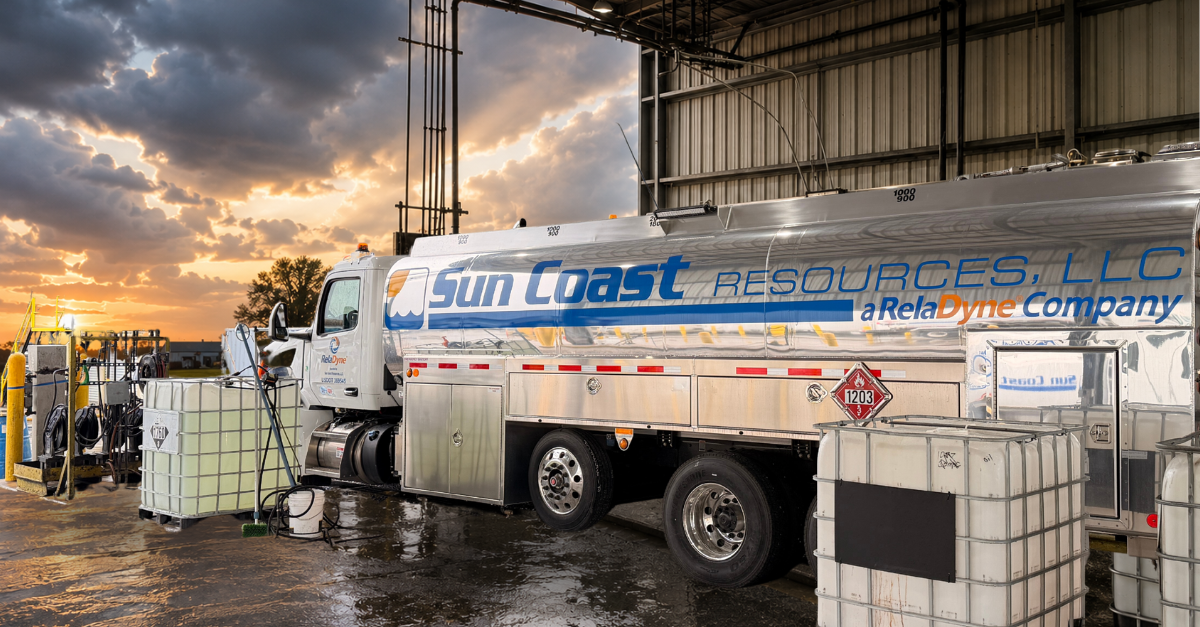
Behind every emergency response effort are industries working around the clock to keep operations moving. RelaDyne and our Sun Coast Resources team support critical fuel logistics, emergency response operations, backup power infrastructure, and business continuity efforts that help businesses and communities remain operational when severe weather impacts infrastructure and supply chains.
As weather patterns continue to create operational challenges across the country, preparedness remains one of the most valuable investments businesses can make before severe weather season begins.
Preparing Before the Surge
The strongest emergency response plans often begin long before they are needed. By taking proactive steps early, businesses can improve readiness, strengthen operational resilience, and better support employees, customers, and critical operations during severe weather season.
Because when severe weather impacts operations, preparation, reliable partnerships, and rapid response capabilities matter most.
Learn how RelaDyne’s Emergency Response Team supports operational continuity during severe weather events.
Contact our Emergency Response Team