


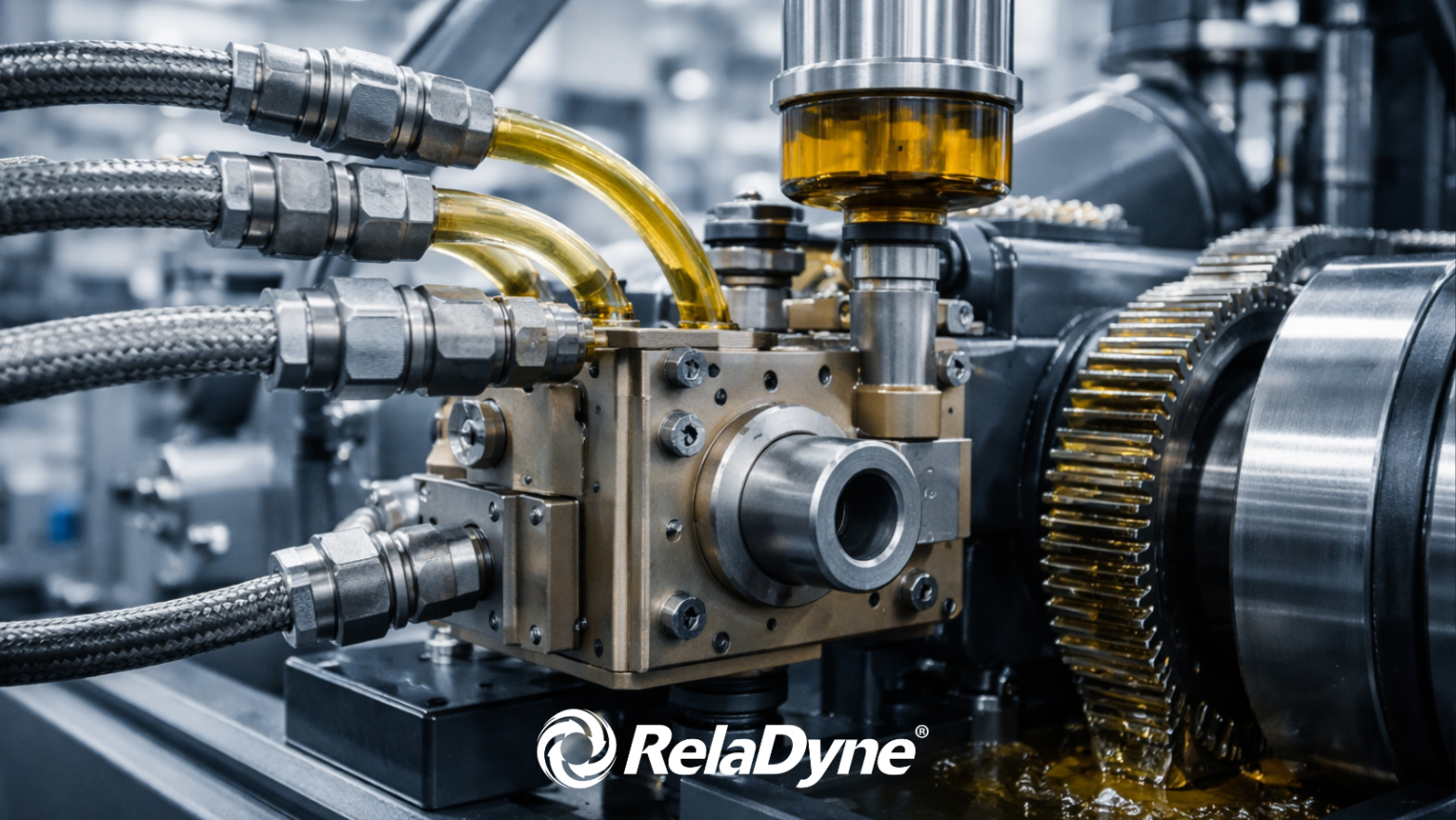
Most equipment issues don’t start with a failure, they start with something small, like varnish buildup.
Oil varnish in industrial equipment is often overlooked, but it can quietly reduce efficiency, restrict flow, and lead to costly downtime if left unaddressed.
At PTXPO 2026, RelaDyne connected with industry professionals to discuss this exact challenge, sharing insights on oil varnish, its impact on overall equipment effectiveness (OEE), and the importance of proactive lubrication strategies in today’s demanding operating environments.
As part of these conversations, Doug Muennich of RelaDyne Reliability Services provided expert perspective on oil oxidation, varnish formation, and effective prevention strategies.
Understanding what causes varnish and how to prevent it is key to maintaining uptime and keeping systems running at peak performance.
What Is Oil Varnish and What Causes It?
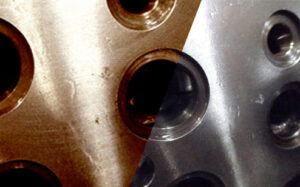
Oil varnish is a thin, hard deposit that forms when lubricants degrade and leave residue on internal equipment surfaces. It often first appears as slow valve response or inconsistent performance before developing into larger issues.
Varnish formation is typically caused by a combination of factors, including oil oxidation from heat and oxygen exposure, high operating temperatures, contamination from water or particulates, and extended fluid use beyond recommended service intervals.
Bottom line: Even small amounts of varnish driven by heat, contamination, and fluid breakdown can negatively impact system performance and reliability.
How Oil Varnish Impacts OEE
Varnish doesn’t just affect fluid quality, it directly impacts how efficiently equipment operates.
Common impacts include:
-
Reduced system efficiency due to restricted flow
-
Sticking valves and inconsistent performance
-
Increased wear on critical components
-
Unplanned downtime and maintenance interruptions
Each of these issues affects availability, performance, and quality, the three core components of OEE.
Bottom line: Oil varnish in industrial equipment can quietly reduce OEE long before a failure occurs.
Preventing Oil Varnish in Industrial Equipment
Preventing oil varnish in industrial equipment starts with a proactive lubrication strategy.
Best practices include:
- Using high-quality, oxidation-resistant lubricants
- Monitoring oil condition through regular analysis
- Controlling contamination within systems
- Maintaining proper operating temperatures
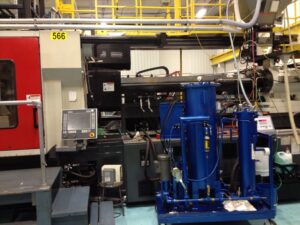
- Implementing varnish mitigation solutions when needed
Taking these steps early helps extend fluid life, protect components, and maintain consistent performance.
Bottom line: Prevention is far more effective and less costly than reactive maintenance.
The Role of High-Performance Lubricants
Not all lubricants perform the same under demanding conditions.
High-performance products from leading manufacturers like Shell and Chevron are engineered to provide enhanced oxidation stability, deposit control, and long-lasting protection in high-temperature and high-load environments.
When paired with a strategic lubrication program, these solutions can help:
- Reduce varnish formation in oil
- Extend service intervals
- Improve system efficiency
- Support higher overall equipment effectiveness (OEE)
Bottom line: The right lubricant plays a critical role in preventing varnish and improving performance.
Find the Right Lubrication Strategy
The right lubrication strategy can make the difference between reactive maintenance and reliable performance.
RelaDyne works with industry-leading suppliers and provides solutions designed to support equipment reliability and performance.
To learn more about oil varnish, including its causes, impact, and prevention strategies, watch the video below highlighting our approach to varnish mitigation and lubrication best practices.
Connect with RelaDyne to explore solutions tailored to your operation and keep your equipment performing at its best.